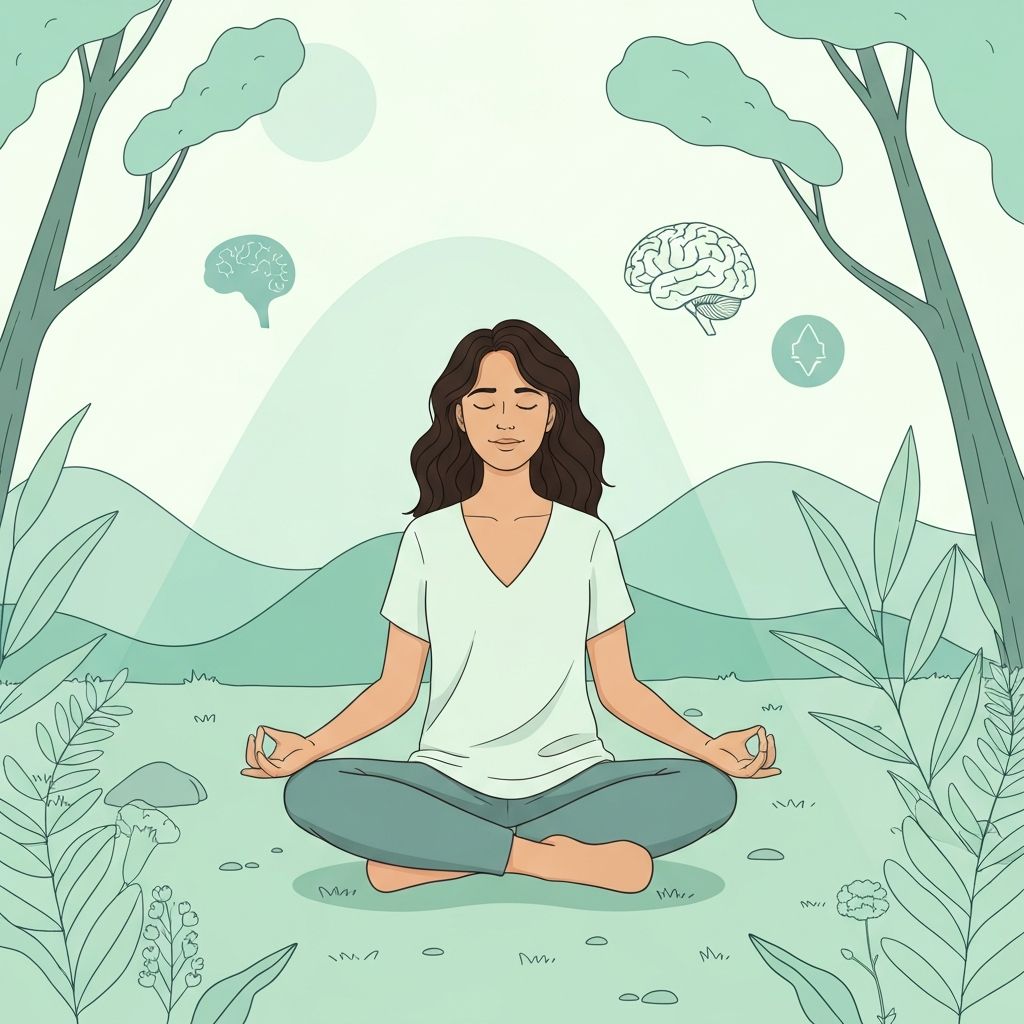
Mental health is an integral component of overall well-being, yet it remains one of the most stigmatized areas of healthcare. In 2026, approximately 1 in 5 adults experience mental illness in any given year, and the global economic burden of mental health conditions exceeds $2.5 trillion annually.
Understanding Mental Health
Mental health encompasses our emotional, psychological, and social well-being. It affects how we think, feel, and act, influencing how we handle stress, relate to others, and make choices.
Common Mental Health Conditions
Depression: More than just feeling sad, clinical depression is a persistent condition that affects daily functioning. Symptoms include prolonged sadness, loss of interest in activities, changes in appetite and sleep patterns, difficulty concentrating, and feelings of worthlessness.
Anxiety Disorders: These include generalized anxiety disorder, panic disorder, social anxiety, and specific phobias. They are characterized by excessive worry, fear, or nervousness that interferes with daily activities.
Post-Traumatic Stress Disorder (PTSD): This condition can develop after exposure to a traumatic event. Symptoms may include flashbacks, nightmares, severe anxiety, and uncontrollable thoughts about the event.
Evidence-Based Treatments
Cognitive Behavioral Therapy (CBT)
CBT is one of the most extensively researched forms of psychotherapy. It works by helping individuals identify and change negative thought patterns and behaviors. Studies show CBT is effective for depression, anxiety, PTSD, and many other conditions.
Medication
Psychiatric medications, including antidepressants, anti-anxiety medications, and mood stabilizers, can be highly effective when properly prescribed and monitored. It is important to work closely with a healthcare provider to find the right medication and dosage.
Lifestyle Interventions
Breaking the Stigma
Stigma around mental health prevents many people from seeking the help they need. We can combat stigma by:
When to Seek Help
If you or someone you know is experiencing persistent changes in mood, behavior, or functioning, it is important to seek professional help. Early intervention leads to better outcomes. Remember: seeking help is not a sign of weakness - it is a courageous step toward recovery and well-being.