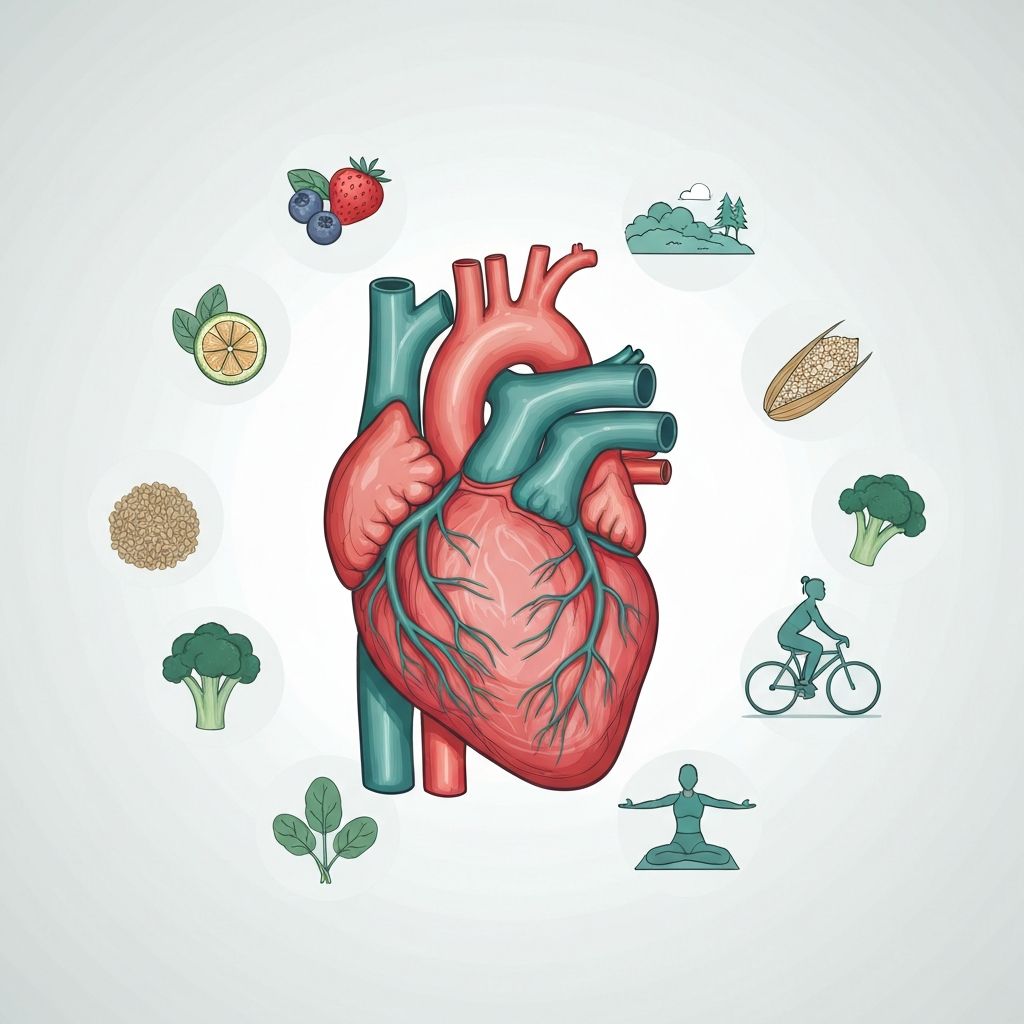
Heart disease remains the leading cause of death worldwide, claiming approximately 17.9 million lives each year. However, the encouraging news is that up to 80% of premature heart disease and stroke can be prevented through lifestyle modifications and early intervention.
Key Risk Factors
Understanding your risk factors is the first step toward prevention. The major modifiable risk factors include:
High Blood Pressure (Hypertension): Often called the "silent killer," high blood pressure affects nearly half of all adults. Regular monitoring is essential, as many people are unaware they have this condition. A healthy blood pressure reading is typically below 120/80 mmHg.
High Cholesterol: Elevated LDL (bad) cholesterol can build up in the walls of your arteries, forming plaques that narrow and harden the arteries. Aim for an LDL cholesterol level below 100 mg/dL for optimal heart health.
Diabetes: Both Type 1 and Type 2 diabetes significantly increase the risk of heart disease. Managing blood sugar levels through diet, exercise, and medication (when necessary) is crucial.
Smoking: Cigarette smoking damages the lining of your arteries, leading to a buildup of fatty material that narrows the artery. This can cause angina, a heart attack, or a stroke.
Prevention Strategies
Diet and Nutrition
A heart-healthy diet is rich in fruits, vegetables, whole grains, lean proteins, and healthy fats. The Mediterranean diet has been extensively studied and shown to reduce cardiovascular risk by up to 30%.
Foods to include:
Exercise
The American Heart Association recommends at least 150 minutes of moderate-intensity aerobic activity or 75 minutes of vigorous aerobic activity per week. Regular physical activity helps maintain a healthy weight, reduces blood pressure, and improves cholesterol levels.
Stress Management
Chronic stress contributes to heart disease both directly and indirectly. Stress can lead to high blood pressure and trigger unhealthy coping mechanisms like overeating, smoking, or excessive alcohol consumption. Consider mindfulness meditation, deep breathing exercises, or yoga as effective stress management techniques.
Warning Signs of Heart Disease
Recognizing the early warning signs can save lives. Seek immediate medical attention if you experience:
Regular Check-ups
Prevention is always better than cure. Schedule regular health screenings, including blood pressure checks, cholesterol tests, and blood sugar monitoring. Early detection of risk factors allows for timely intervention and significantly improves outcomes.
Remember, it is never too late to start taking care of your heart. Small, consistent changes in your daily habits can lead to significant improvements in your cardiovascular health over time.